RESEARCH NOTES
Engineering, explained
24 research notes exploring the engineering questions behind the papers, with original figures.
How does a tunnel’s angle to a fault change its deformation?
Six tunnel alignments reveal how normal and shear strains combine.
Read full note ↗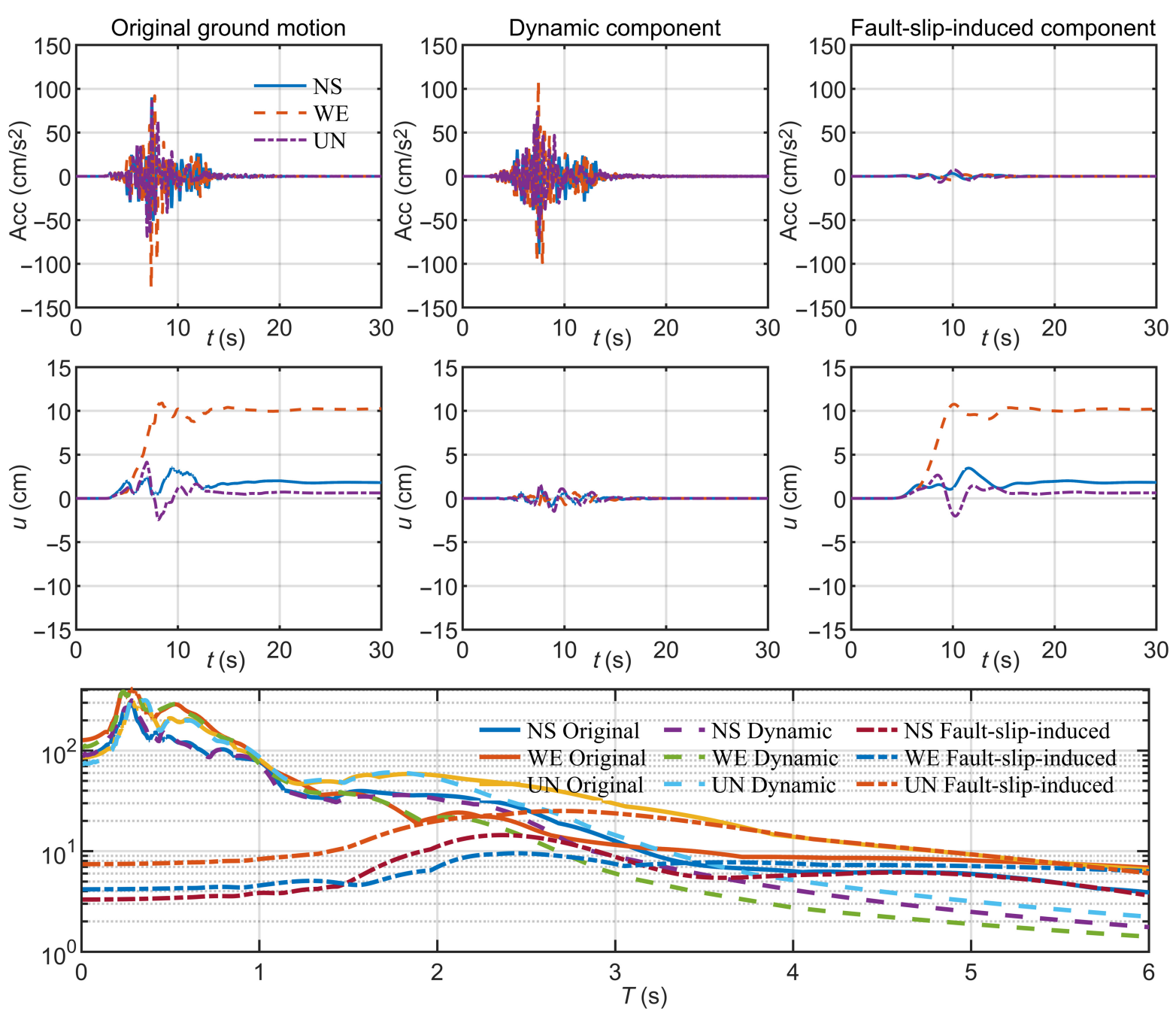
Shaking and permanent offset: how can we separate the two?
A consistent method separates dynamic motion from fault-slip-induced movement across a region.
Read full note ↗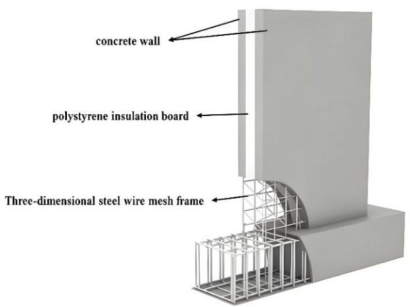
Can a sandwich wall balance seismic performance and carbon emissions?
Linking structural performance and material use in wire-mesh concrete sandwich walls.
Read full note ↗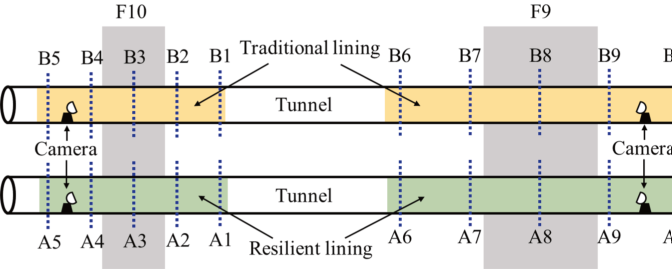
Which ground-motion measure best describes fault-crossing tunnel deformation?
Comparing intensity measures with deformation demands in fault-crossing tunnels.
Read full note ↗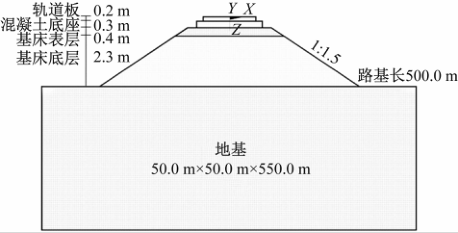
Can recycled rubber help a subgrade respond to earthquakes?
Exploring seismic deformation in rubber–sand mixtures.
Read full note ↗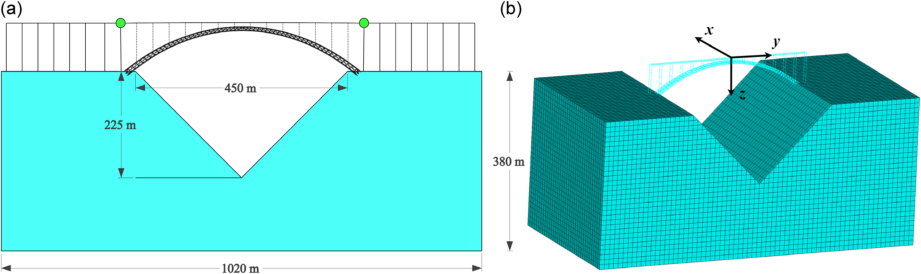
What happens when three-dimensional seismic waves enter a valley?
How wave types and local terrain influence the response of a valley-spanning bridge.
Read full note ↗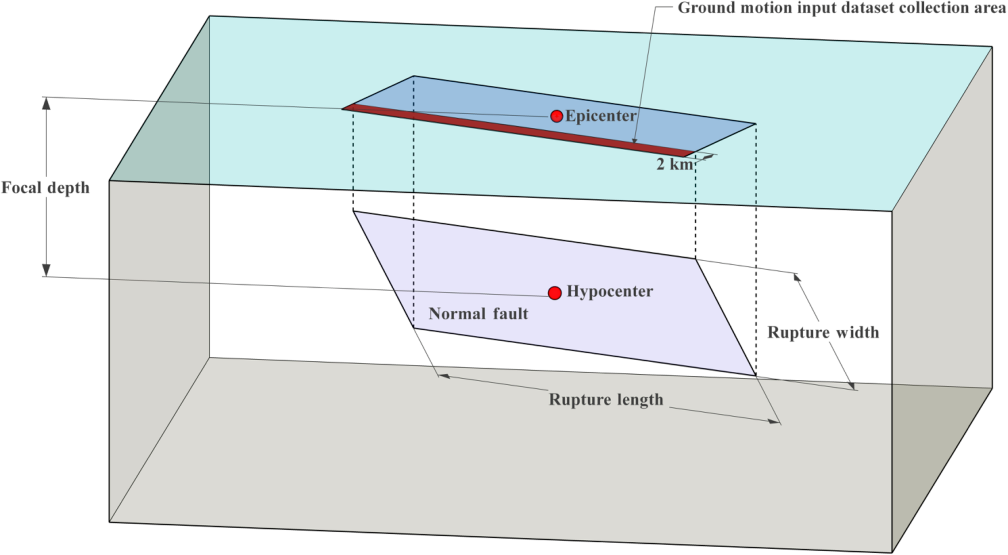
Is scaling one earthquake record enough to assess a bridge’s limits?
A magnitude-based approach to incremental dynamic analysis near faults.
Read full note ↗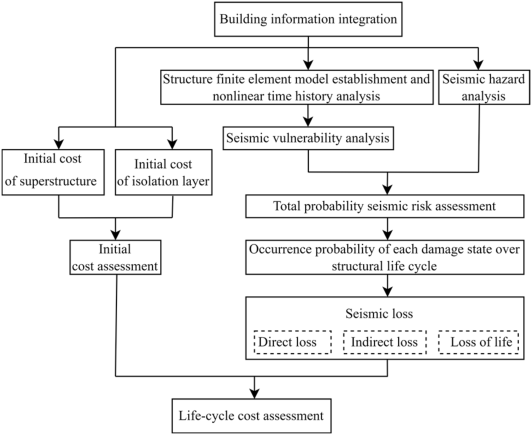
How many years of costs belong in the case for seismic isolation?
Life-cycle costs connect initial investment, earthquake damage and service interruption.
Read full note ↗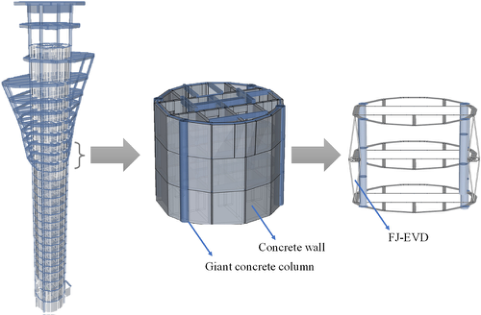
How can a damper work harder when a tower bends?
A frame-jack mechanism amplifies relative motion in a damping system.
Read full note ↗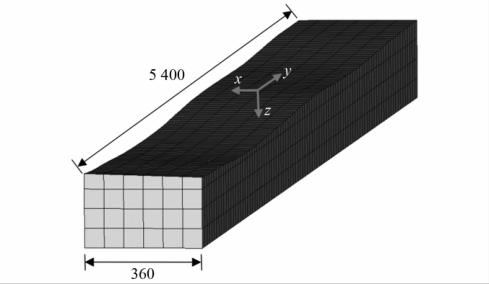
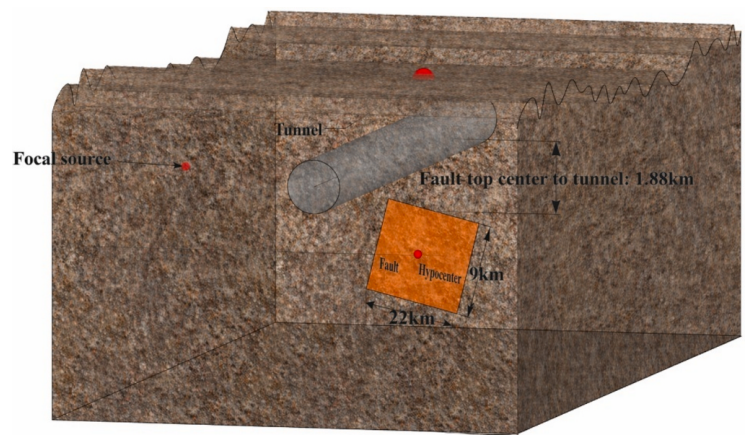
How can a tunnel model capture both shaking and fault displacement?
A physics-based source approach provides spatially varying seismic inputs.
Read full note ↗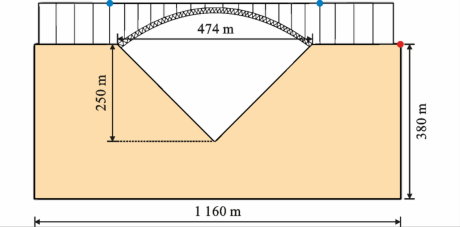
How does a V-shaped valley change the shaking of an arch bridge?
Comparing Rayleigh-wave and shear-wave effects on bridge response.
Read full note ↗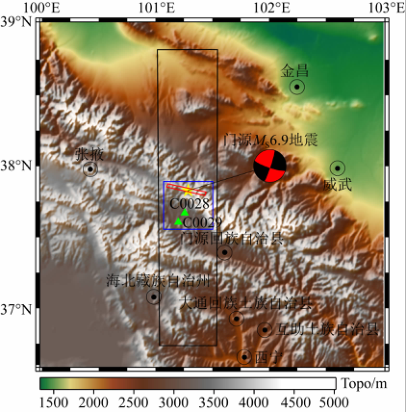
How does fault rupture change the shaking in a simulated earthquake?
Modelling strong ground motion from the 2022 Menyuan earthquake.
Read full note ↗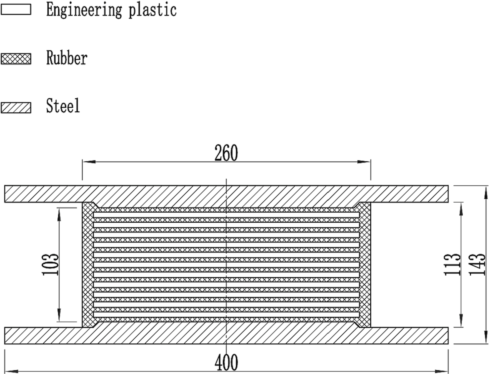
What if reinforcing steel in an isolator is replaced by fibre material?
Experimental and numerical study of fibre-reinforced plastic seismic isolators.
Read full note ↗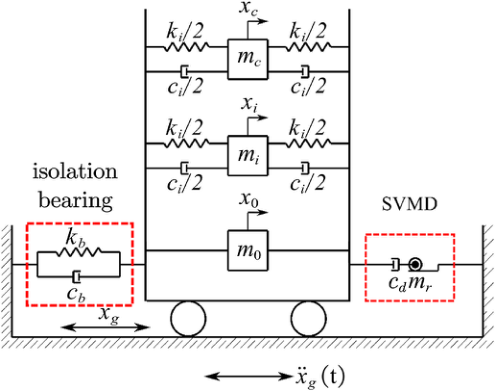
Why does liquid still slosh in an isolated storage tank?
An inerter-based mitigation system addresses the response of isolated tanks.
Read full note ↗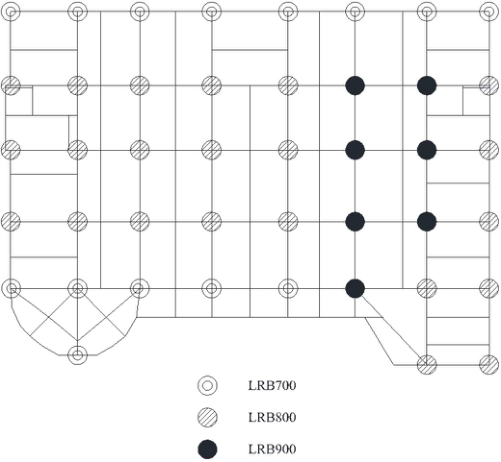
How does earthquake intensity change the probability of damage?
Fragility analysis maps damage probabilities for base-isolated structures.
Read full note ↗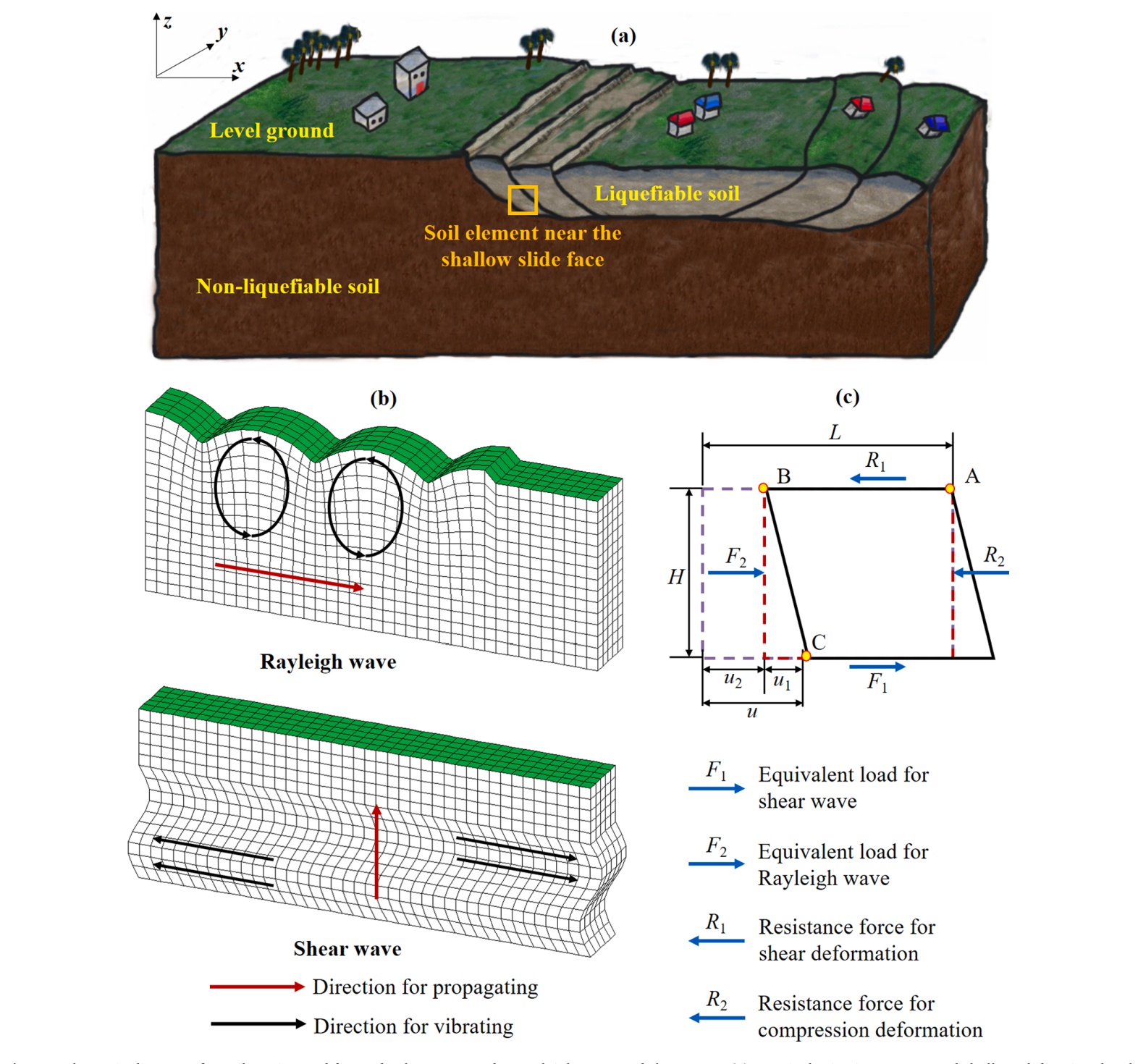
Why can liquefied ground move sideways on nearly level terrain?
A coupling mechanism involving Rayleigh and shear waves.
Read full note ↗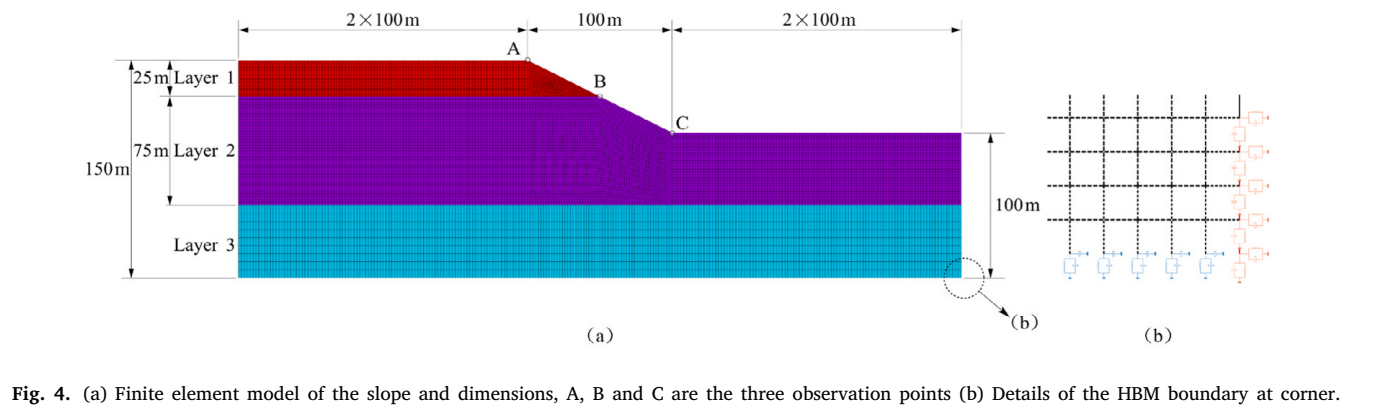
How much does a slope amplify earthquake motion?
Reliable boundary conditions help separate real site effects from numerical artefacts.
Read full note ↗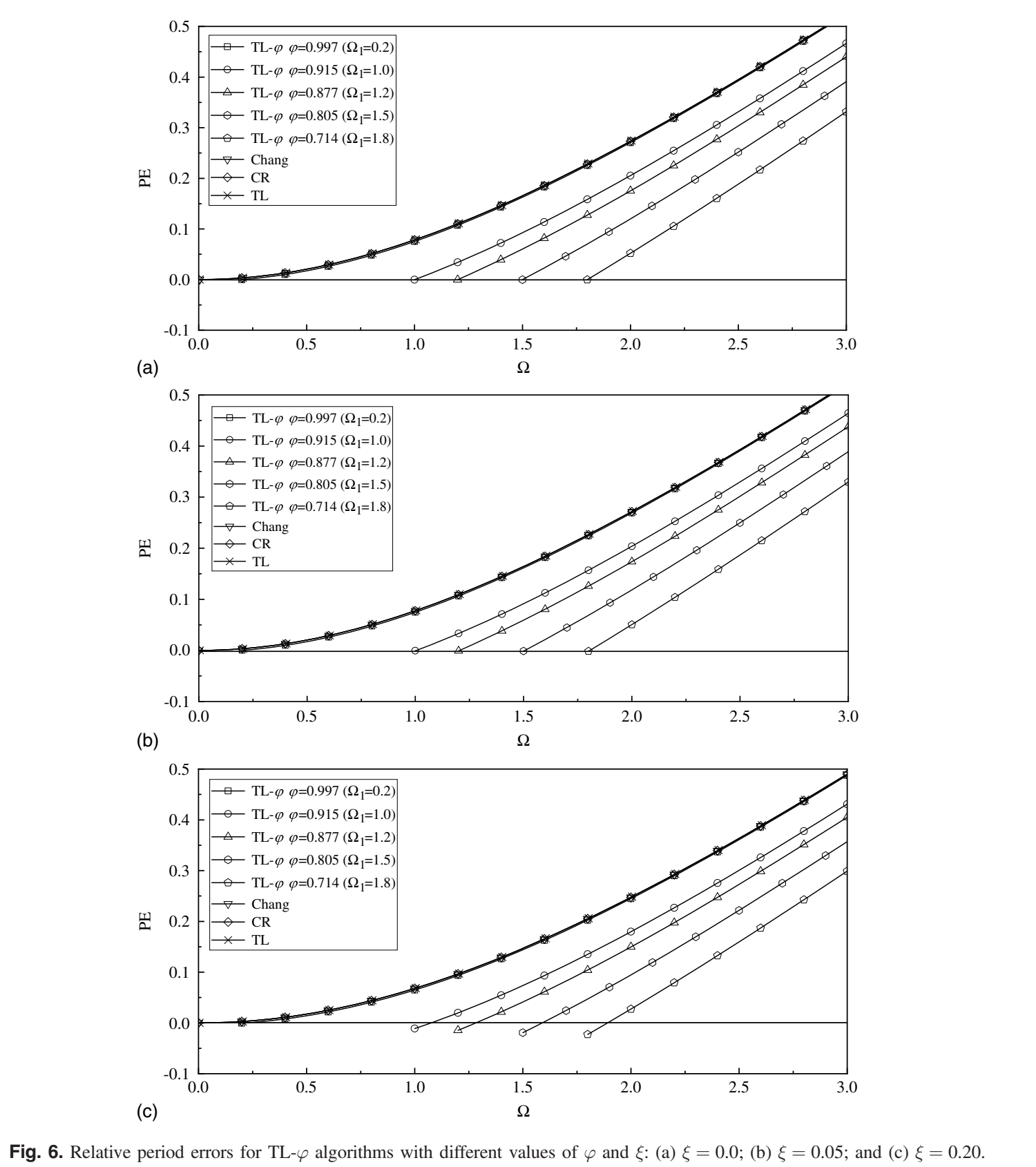
Can a computer model lose the rhythm of a vibrating structure?
Time-integration algorithms and the control of numerical dispersion.
Read full note ↗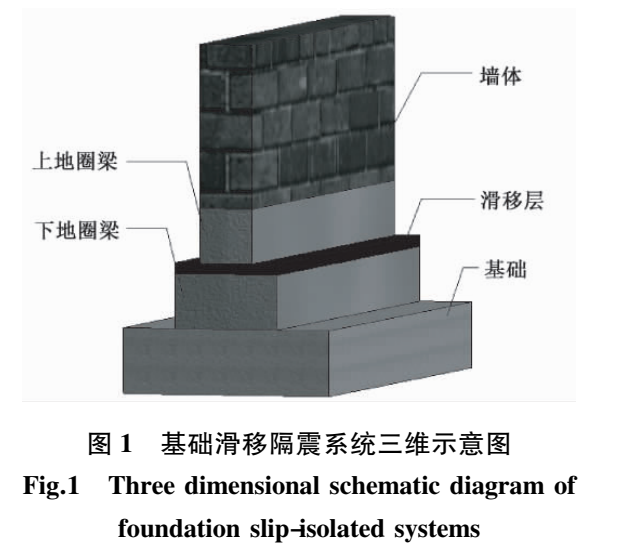
How can seismic isolation become accessible to rural housing?
A review of practical foundation isolation techniques for village buildings.
Read full note ↗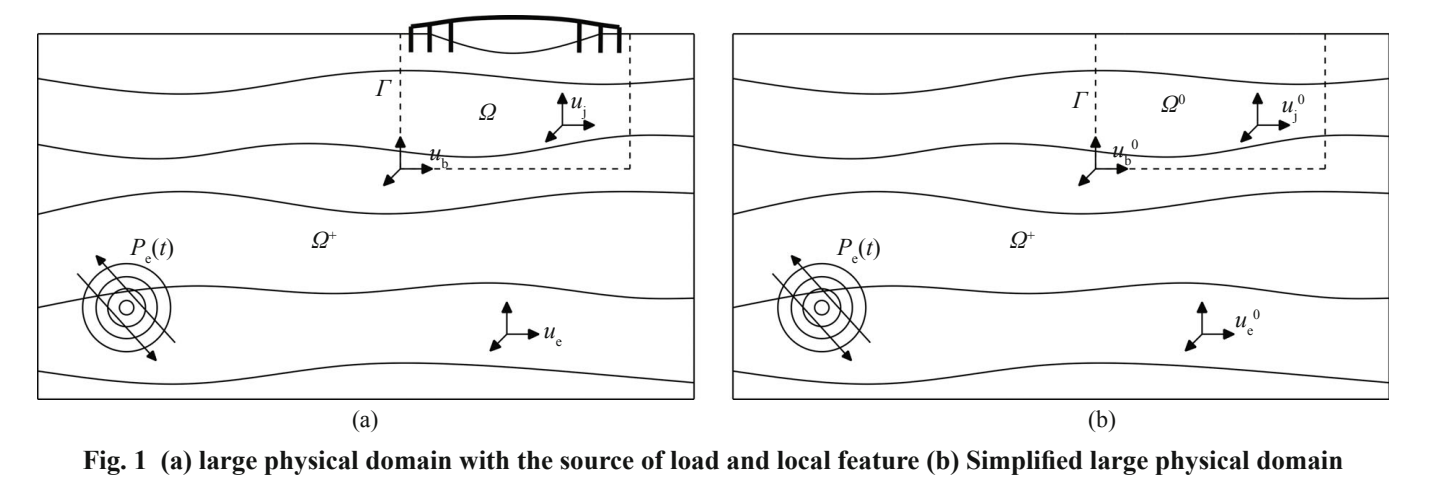
How can seismic waves enter and leave a small numerical domain?
A modified domain reduction method for localized wave propagation.
Read full note ↗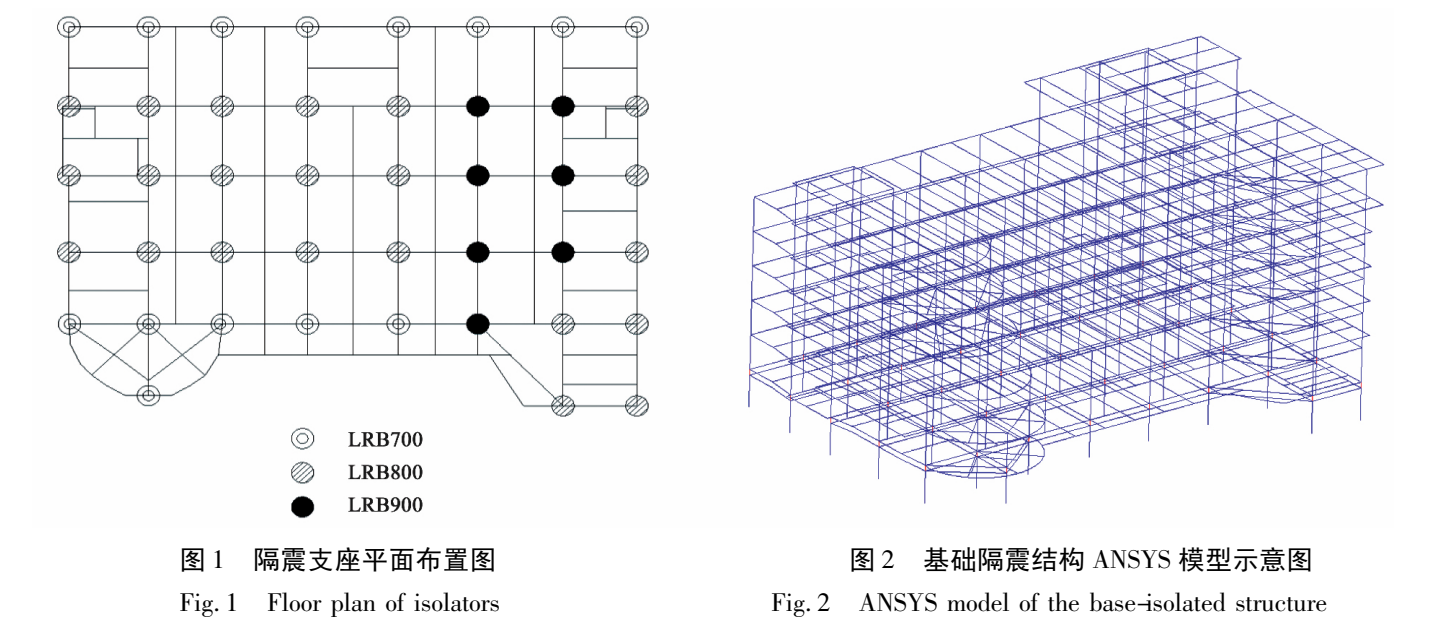
Which uncertain parameters matter most in an isolated building?
Sensitivity analysis of structural and isolation-system parameters.
Read full note ↗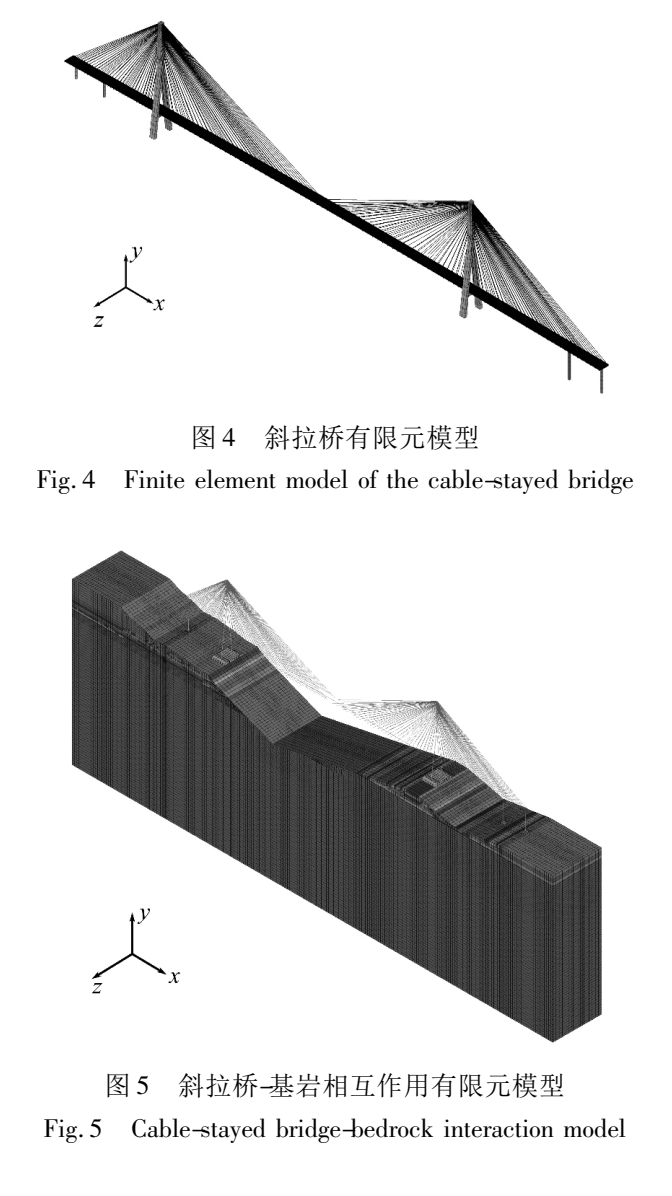
How far can bridge analysis be simplified on bedrock?
Comparing seismic response models for a long-span cable-stayed bridge.
Read full note ↗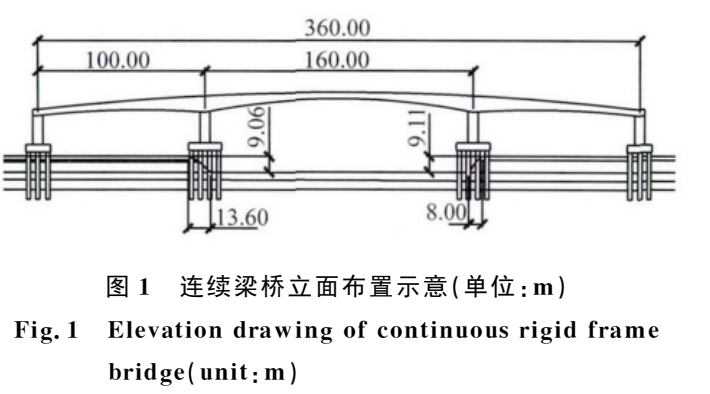
How should a model handle bridge supports that move differently?
Comparing computational methods for multi-support seismic excitation.
Read full note ↗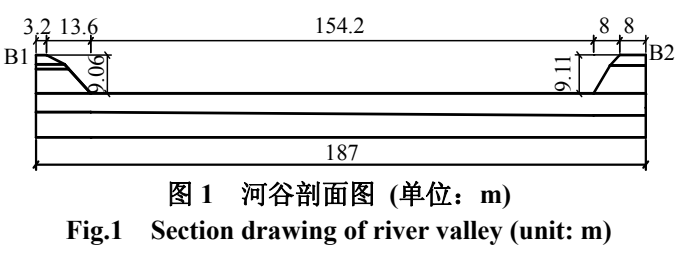
Why can two piers of the same bridge experience different motions?
River-valley geometry and soil layering influence the seismic input at each support.
Read full note ↗No matching notes. Try a different keyword.